

The Jiu-Jitsu Behind the Striker: José Aldo's Black Belt Game
Long before flying knees and leg kicks made him famous, José Aldo was already winning — on the mat, in a gi, as a decorated jiu-jitsu competitor.
Most fans met José Aldo as a finisher — the fighter whose leg kicks broke opponents down round by round, whose flying knee ended a fight with Cub Swanson in 8 seconds at WEC 41. But that version of Aldo didn't appear out of nowhere. It was built on top of years of dedicated jiu-jitsu training that started before he ever threw a punch for money.
A gold medal before a single professional fight
As a teenager, Aldo won gold at the 2003 Brazilian Nationals in jiu-jitsu — a serious result on one of the most competitive stages the sport has in Brazil, achieved before he'd built any kind of striking résumé at all. That's an important detail that often gets lost in the highlight reels: Aldo was a grappler first, and a good one, tested against elite competition in a discipline where there's nowhere to hide.
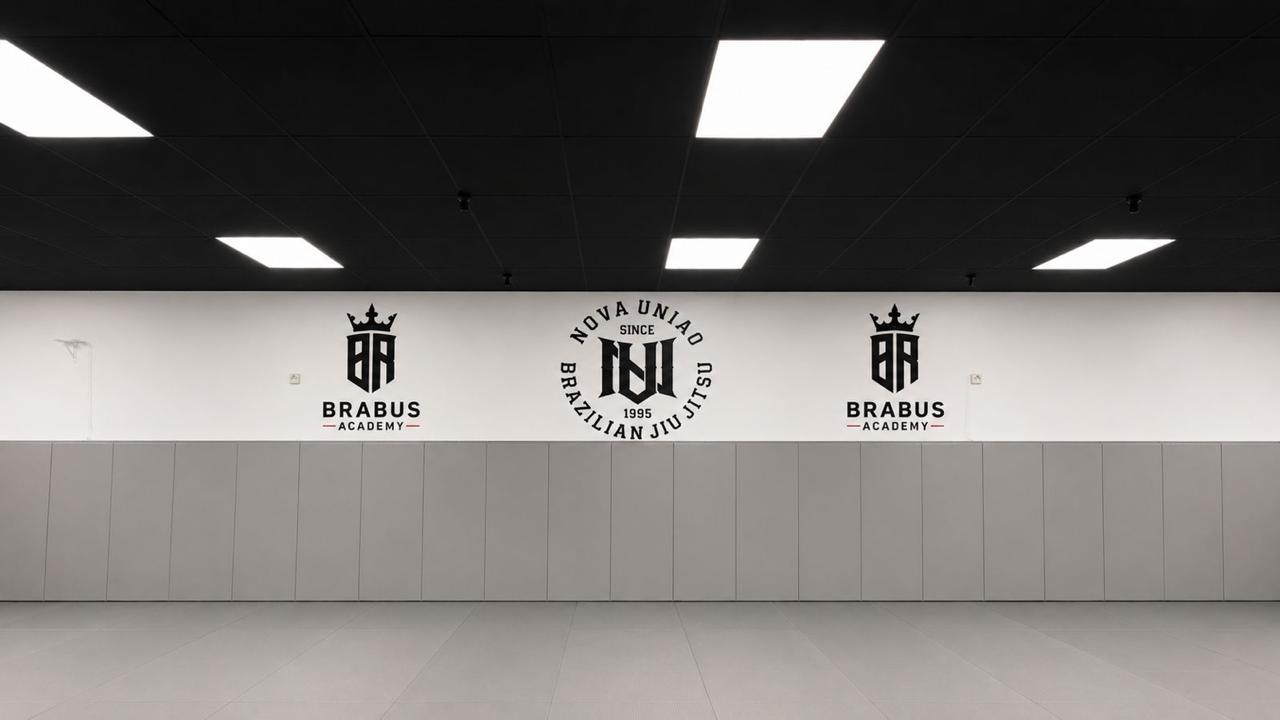
He earned his black belt in Nova União, training under André Pederneiras in Rio de Janeiro, in a room full of accomplished grapplers and future champions. That environment doesn't produce shortcuts. It produces fighters who understand position, pressure, and patience at a level that most strikers never develop.
How jiu-jitsu shaped the striker
It's tempting to think of grappling and striking as two separate skill sets that happen to live in the same fighter. For Aldo, they were never separate. Jiu-jitsu teaches a fighter to think in sequences — to set up one thing in order to create an opening for the next — and that same layered thinking showed up constantly in his striking. His leg kicks weren't isolated attacks; they were investments, each one softening an opponent's base and setting up the finish that came later in the fight.
Jiu-jitsu also teaches something less visible but just as important: comfort under pressure. A black belt who has spent years being put in bad positions and finding a way out develops a different relationship with danger than someone who hasn't. That composure showed up in Aldo's title defenses — seven of them, consecutively — where he rarely looked rattled, even against opponents who came in with a specific game plan to beat him.
Grappling that opponents had to respect
Because Aldo was a legitimate black belt with a real competitive jiu-jitsu résumé, opponents couldn't simply try to take him down and grind out a decision. His ground game was live — a genuine threat, not a formality. That reality shaped the entire way people had to fight him. Standing with him was dangerous. Taking him down was dangerous too. There was no easy lane, and that's a direct product of the mat time he put in years before the UFC ever knew his name.
The lesson for anyone starting on the mat
What Aldo's early career shows is that a real jiu-jitsu foundation doesn't just prepare you for jiu-jitsu. It changes how you move, how you read distance and pressure, and how calm you stay when things get uncomfortable — skills that carry over into every part of life, not just competition. That's the same foundation we build at Brabus Academy in Lake Mary, whether a student's goal is to compete one day or simply to get better every week.
Curious about the roots of his ground game and the lineage behind it? Read more about José Aldo's full story, or come train the discipline that built him — start your free trial at Brabus.
Come find out what you're made of.
No experience required. No commitment. Just step on the mat.
Start Free Trial