

From Capoeira to Championship: José Aldo's Manaus Roots
Long before he was the King of Rio, José Aldo was a kid in the Brazilian Amazon learning to move to a rhythm — not a whistle, not a bell, a rhythm.
Most fight fans meet José Aldo somewhere in the middle of the story — the belt, the highlight-reel knockouts, the record-setting title defenses. But the beginning of the story doesn't happen in an octagon. It happens in Manaus, deep in the Brazilian Amazon, where Aldo grew up in humble circumstances and, like so many kids in Brazil, found his first martial art wasn't jiu-jitsu or boxing. It was capoeira.
A martial art disguised as a dance
Capoeira occupies a strange and beautiful space in the world of combat sports. To an outsider watching two practitioners circle each other in a roda, it can look like dance — flowing kicks, cartwheels, inversions, all set to the rhythm of a berimbau. But underneath that rhythm is a genuinely dangerous striking art, built on deception, angles, and explosive lower-body power. It teaches you to generate force from positions that look nothing like a fighting stance, and to move in ways that are almost impossible to predict because they don't follow the straight lines most striking arts are built around.
Why it mattered for the fighter he became
Watch enough of Aldo's fights and you can see the fingerprint of that early training. Fighters who come up purely through boxing or kickboxing tend to move in fairly linear, load-and-release patterns. Aldo's striking always carried something extra underneath it — a looseness in the hips, an ability to generate fight-ending power from angles that didn't telegraph the way a traditional strike does. That's not something a striking coach installs in a grown adult in a few years of camp. That's rhythm that gets built into the body starting as a kid, through thousands of hours of a completely different art.
From the Amazon to jiu-jitsu
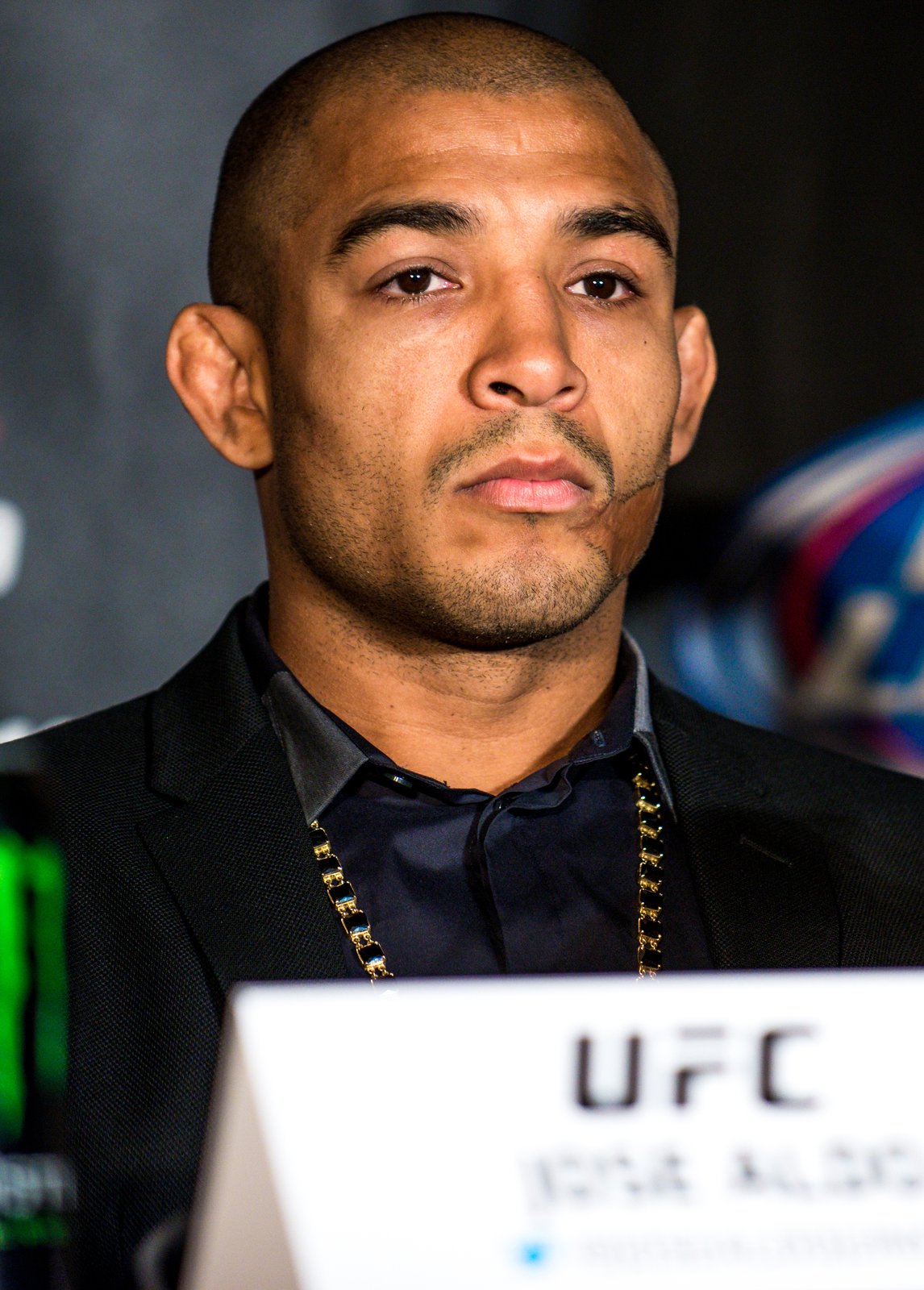
Capoeira wasn't the end of the road — it was the foundation. Aldo's path eventually led him away from Manaus and into Brazilian Jiu-Jitsu, the discipline that would ultimately define his career and his black belt lineage under Nova União. But the movement vocabulary he carried with him never disappeared. It's part of why his eventual game as a mixed martial artist felt so complete: a grappler's control and a capoeirista's unpredictability, fused into one fighter who could finish a fight standing up just as easily as he could on the ground.
The lesson in where he started
It's worth sitting with the fact that one of the greatest featherweights in UFC history didn't start in an elite academy with private coaching. He started in the Amazon, moving to a rhythm most people dismiss as folk dance, with no guarantee that any of it would lead anywhere. What turned that into a UFC Hall of Fame career wasn't privilege — it was years of repetition in an art that demanded patience, balance, and creativity before it ever paid off. That's a story that resonates with anyone walking onto a mat for the first time with no background in martial arts at all. You don't need to have started early or started rich. You just need to start.
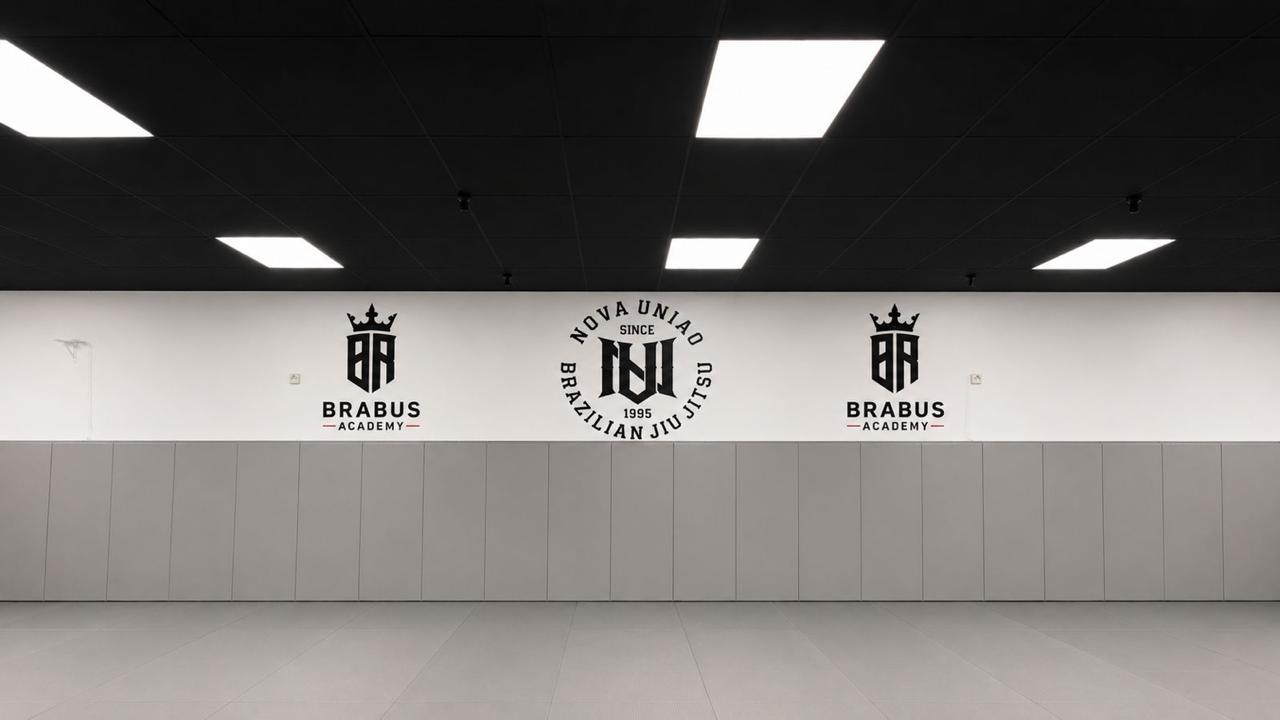
Want the fuller arc of how a kid from Manaus became the King of Rio? Read José Aldo's full founder story, or come experience the discipline that lineage built firsthand — your first class at Brabus is free.
Come find out what you're made of.
No experience required. No commitment. Just step on the mat.
Start Free Trial