

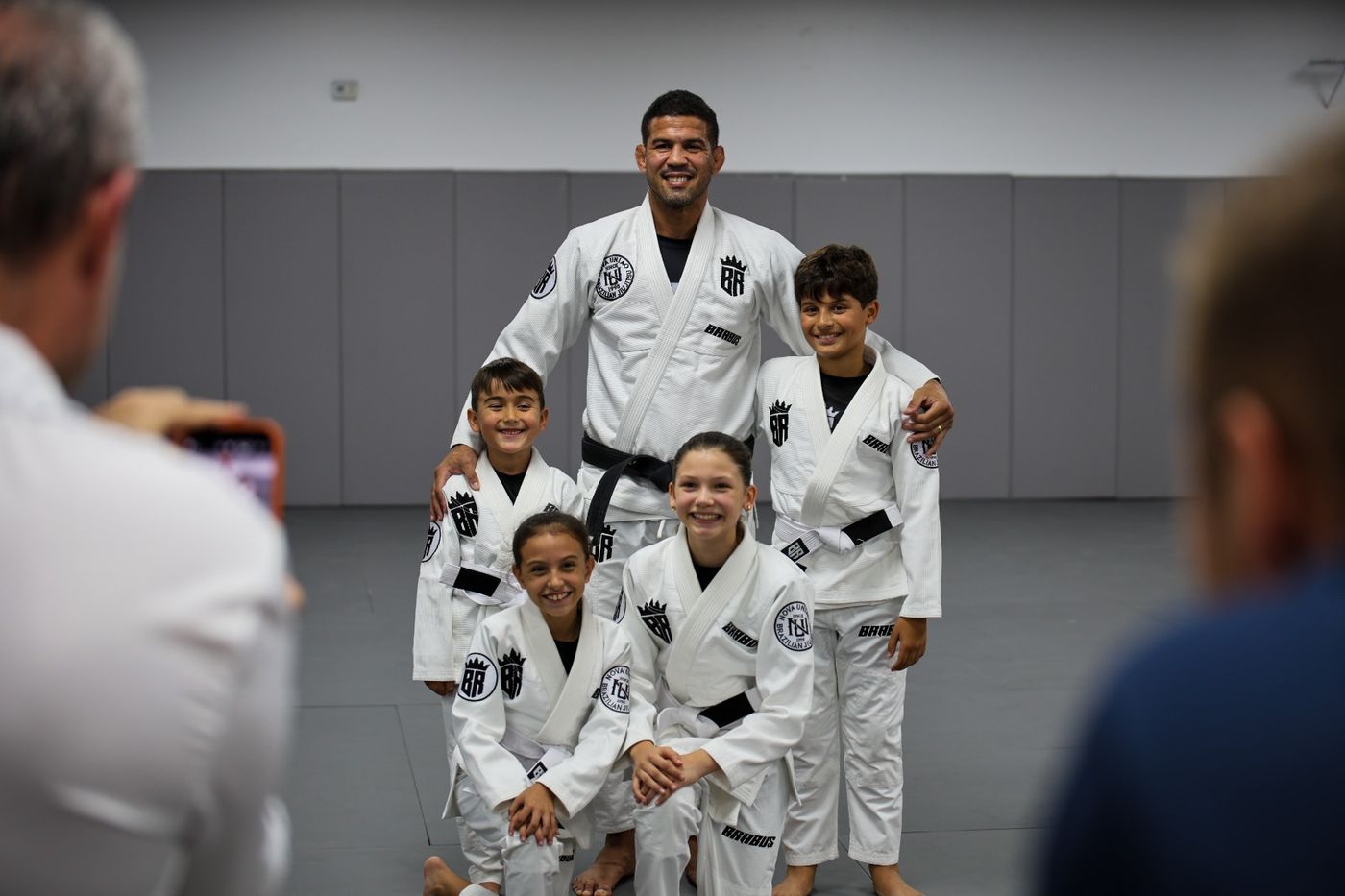
What's the Right Age to Start Jiu-Jitsu?
There's no single magic age, but there is a clear pattern in how academies structure kids programs — and knowing it will help you pick the right starting point.
This is one of the most common questions we hear from parents who are new to Jiu-Jitsu, and the honest answer is: it depends less on a single "correct" age and more on what you're hoping your child gets out of it. That said, there's a widely used pattern across academies worth knowing, because it reflects real developmental differences between a four-year-old and a ten-year-old — and it's why most schools, including ours, split kids programs by age rather than running one generic class for everyone under twelve.
Why around age four is the common starting point
Many academies set their minimum starting age around four, and that's not an arbitrary number. By that age, most kids have developed enough gross motor coordination, listening ability, and impulse control to participate meaningfully in a structured group class — following simple multi-step instructions, taking turns, and engaging with a partner without constant one-on-one adult supervision. Younger than that, most children are still developing the attention span and body control that a group class setting requires, so starting a bit later usually leads to a better first experience rather than a frustrating one.
What younger kids get out of early training
For kids in the four-to-seven range, the value isn't really about grappling technique yet — it's about foundational movement and structure. At this age, children are working on basic coordination, balance, following directions in a group, taking turns, and building comfort with physical contact in a safe, supervised way. Classes for this age group tend to be shorter, more game-based, and heavier on repetition of simple concepts, because that's how young kids actually retain new skills. The wins here are things like a child who can now do a forward roll safely, follow a three-step instruction without repeating it, or sit still and pay attention for a full class — genuinely meaningful developmental progress, even if it doesn't look like "real Jiu-Jitsu" yet.
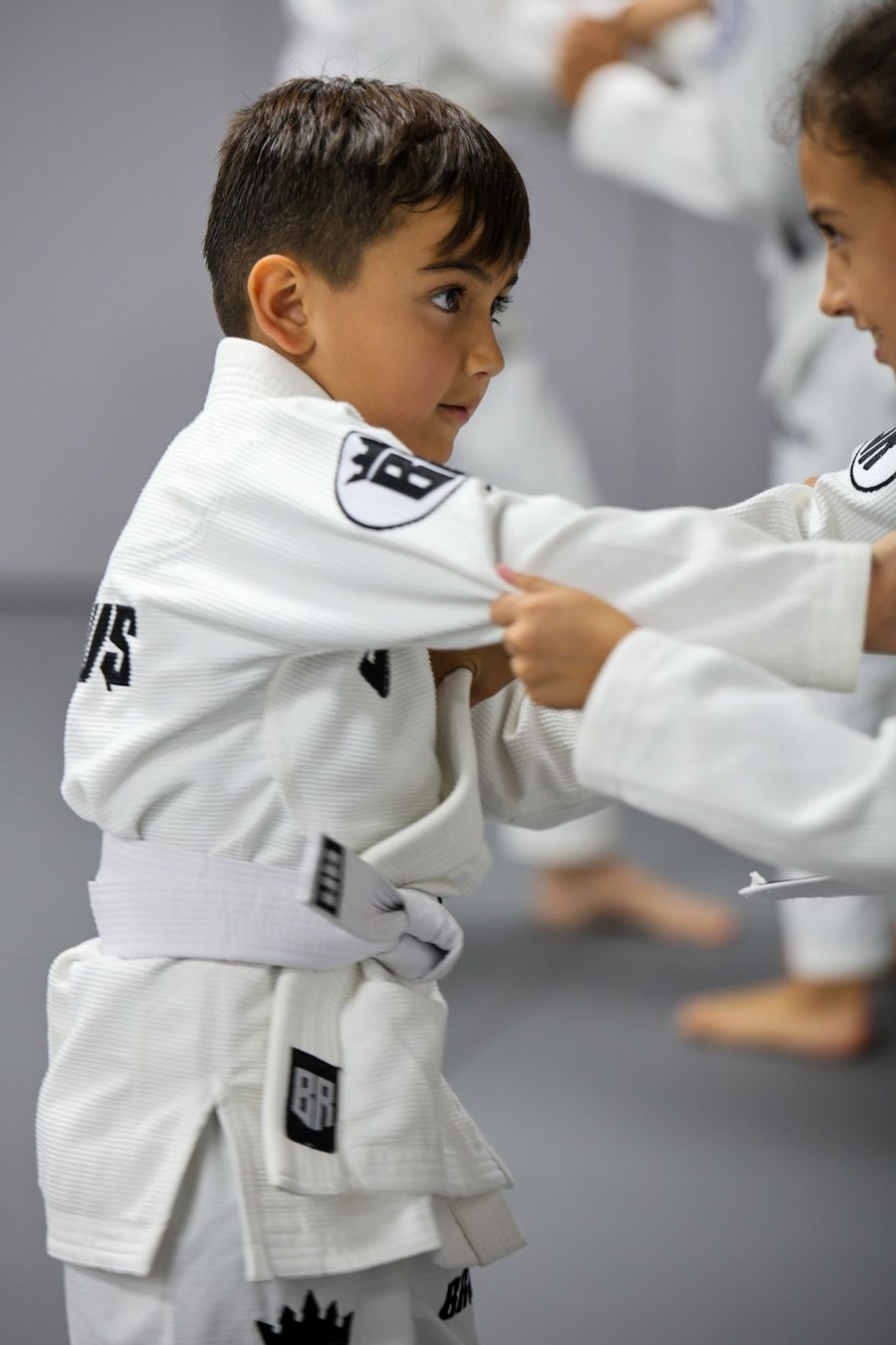
What older kids get out of it
Kids roughly eight to twelve are usually ready for more technical depth. They can hold longer sequences of instruction in mind, work through actual positional problems, and start handling structured live practice with a partner under close supervision. This age range is often where the sport starts to click emotionally too — where a kid who was shy about physical contact a year earlier is now confidently working through a scramble, or where a competitive kid gets their first real taste of the belt and stripe system rewarding sustained effort. It's also a common age for kids to start expressing interest in competition, should a family want to pursue that path.
- Most academies start kids around age four, once basic coordination and listening skills are in place
- Ages 4–7 focus on movement, structure, and comfort with supervised physical contact
- Ages 8–12 build technical depth, longer sequences, and structured live practice
- There's no wrong age to start — older kids and even teens pick it up quickly too
How Brabus structures this
We split our kids programs the same way for exactly these reasons. Little Ninjas is built for ages 4–7, with shorter, game-driven classes focused on coordination, listening, and basic movement. Little Warriors is built for ages 8–12, with more technical instruction and structured live practice as kids are ready for it. Both programs run 45–60 minute classes in a safe, structured, positive environment, no prior experience needed, and parents are always welcome to watch from the side.
If you're not sure which program fits your child, that's a completely normal question — reach out and we'll help you figure it out based on their age and personality. Explore our Kids & Teens program for more detail, or schedule a free trial class and let your child try a session firsthand.
Come find out what you're made of.
No experience required. No commitment. Just step on the mat.
Start Free Trial