

Jiu-Jitsu as Anti-Bullying Defense: What the Research Says
The goal was never to teach kids to fight back harder. It's to give them enough composure and physical grounding that they rarely need to.
When parents first ask about Jiu-Jitsu as a response to bullying, there's often an assumption buried in the question: that the goal is to make a kid tougher, scarier, or more willing to throw a punch. That's not how anti-bullying programs built around Jiu-Jitsu actually work, and it's not how we teach it at Brabus. The real value isn't aggression. It's the opposite — composure, awareness, and a set of physical tools that a child hopefully never has to use outside the gym.
Why bullies target certain kids — and what changes
Anti-bullying researchers and school counselors have long pointed out that bullying behavior tends to seek out visible signals of vulnerability: kids who appear anxious, avoid eye contact, freeze under pressure, or physically shrink themselves. This isn't about a child's actual strength — it's about how threatened or rattled they appear in the moment. A child who has spent months training grappling, being placed in uncomfortable positions, and learning to stay calm and think clearly while someone else has physical control of them, tends to carry themselves differently. Their body language changes because their internal experience of pressure has changed. That shift alone — postural confidence rather than provocation — is often enough to make a child a less attractive target.
De-escalation over domination
A well-run kids' Jiu-Jitsu program spends far more time teaching restraint than teaching offense. Positions like controlling from the top, creating space, or simply staying safe on the ground are about neutralizing a situation, not winning a fight. Instructors consistently emphasize avoiding conflict first, walking away when possible, and getting an adult involved — physical technique is presented as a last resort, not a first response. This is a meaningful distinction for parents to understand: the "defense" in self-defense is the actual point. A child who can calmly control or disengage from an aggressive peer without throwing a single strike has learned something far more useful than how to win a fight.
The confidence factor
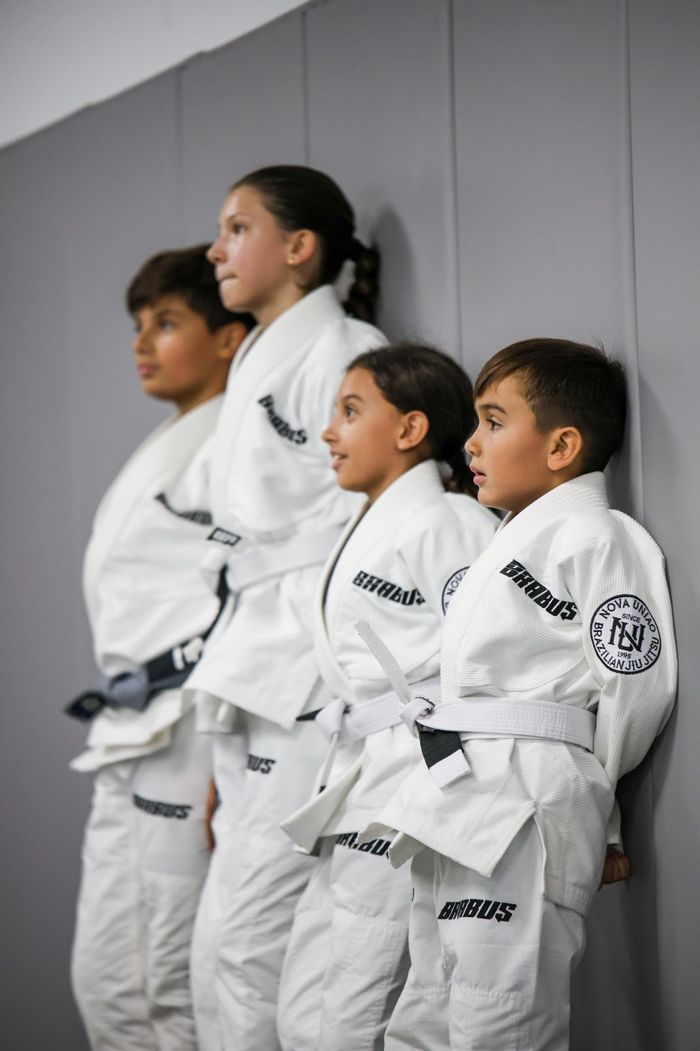
Many instructors and parents report that the biggest change they see isn't physical at all — it's emotional regulation. A child who trains regularly gets repeated practice at staying calm while uncomfortable, which is precisely the skill that breaks down during a real confrontation with a bully. Kids who panic, freeze, or escalate emotionally tend to have worse outcomes in these situations regardless of size or strength. Kids who've built a baseline of calm under physical pressure are simply better equipped to think clearly, use their words first, and only rely on physical skills if a situation genuinely requires it.
- Training builds calm body language, which on its own can reduce how often a child is targeted
- Emphasis is on control, escape, and de-escalation — not striking or aggression
- Kids practice staying composed under pressure, a skill that transfers directly to real confrontations
- Instructors teach avoidance and getting help from an adult as the first response, always
What this looks like at Brabus
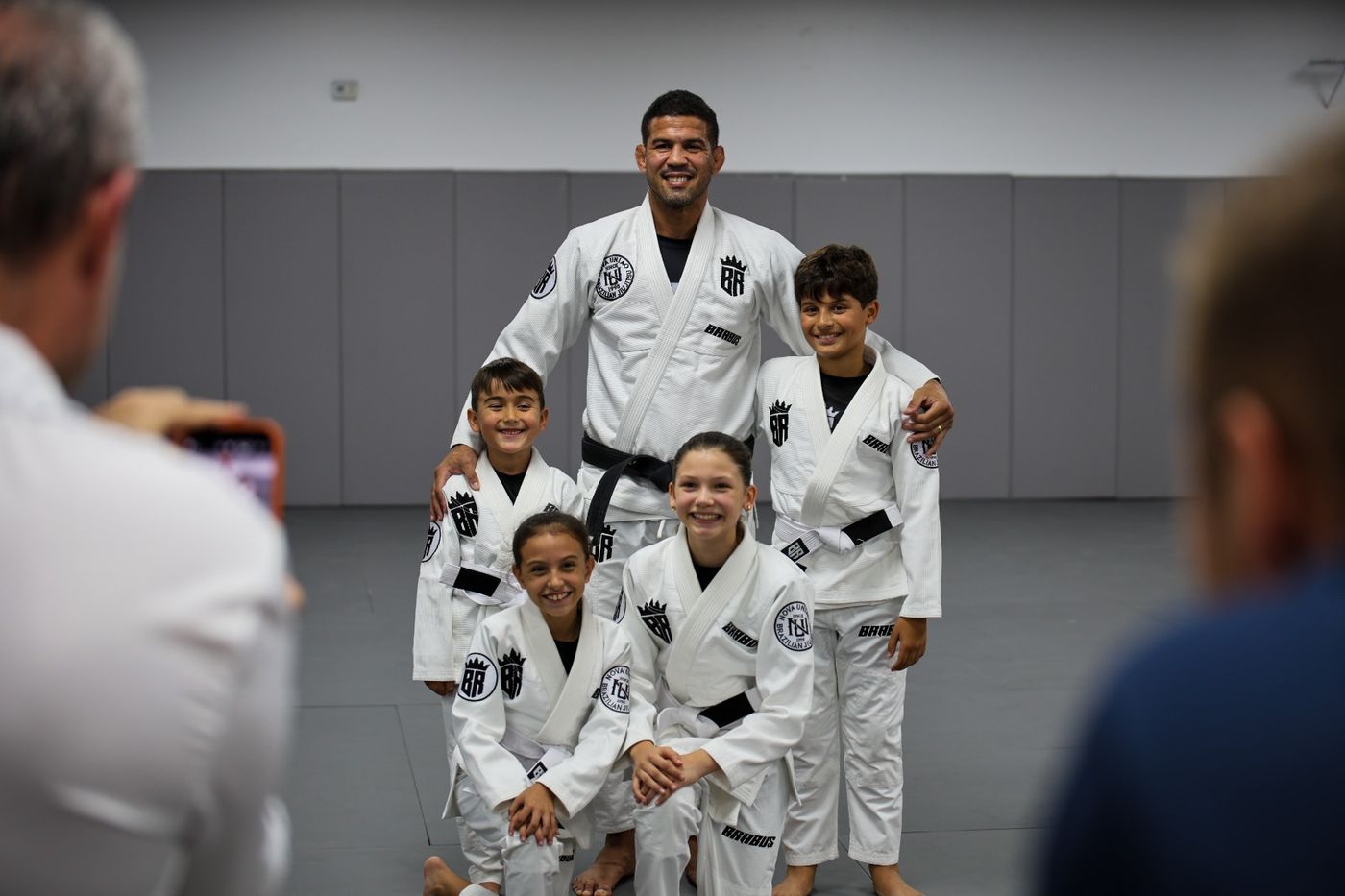
In our Little Ninjas (ages 4–7) and Little Warriors (ages 8–12) classes, every technique is taught inside a broader conversation about respect, restraint, and when physical skills are actually appropriate to use. Classes run 45–60 minutes in a safe, structured, positive environment, and parents are welcome to sit in and watch exactly how these conversations happen — there's nothing hidden about how we teach this material.
If your child is dealing with a difficult social situation at school, Jiu-Jitsu isn't a magic fix, but it is a genuinely useful piece of the puzzle. Learn more about our Kids & Teens program, or schedule a free trial class and see the approach firsthand.
Come find out what you're made of.
No experience required. No commitment. Just step on the mat.
Start Free Trial