

The Physical Benefits of Jiu-Jitsu for Growing Kids
Long before a child ever sets foot in a competition, jiu-jitsu is quietly doing something valuable to their growing body — building the coordination, balance, and full-body strength that most modern childhoods don't get enough of.
Jiu-jitsu tends to get discussed in terms of confidence and discipline, and rightly so — but the physical side of the sport deserves its own attention. Unlike a lot of youth activities that isolate one muscle group or one skill, jiu-jitsu asks a child's whole body to work together, constantly, in ways that map directly onto healthy physical development.
Coordination and body awareness
Jiu-jitsu is, at its core, a sport of positioning — knowing where your hips are relative to a partner's, where your weight is distributed, how to move your arms and legs together rather than independently. Child development experts generally agree that structured physical activities requiring kids to coordinate multiple body parts at once support the development of what's often called body awareness, or proprioception — a child's internal sense of where their body is in space without having to look. This is a skill that underlies everything from handwriting to catching a ball to simply not tripping over their own feet, and it develops through repetition and practice, which a jiu-jitsu class provides in abundance.
Drilling a technique dozens of times across a class — shrimping across the mat, transitioning from one position to another, practicing a takedown — is essentially repetitive coordination training disguised as a martial art. Kids rarely notice they're building this skill because they're focused on "getting the move," but the underlying physical benefit accumulates class after class.
Balance
Balance is trained constantly and directly in jiu-jitsu, often without a coach even naming it as the goal. Standing techniques require a child to shift weight and stay grounded while off-balancing a partner. Ground positions require controlling a base while someone else is actively trying to move you. Even simple warm-up drills like forward rolls and cartwheels — common in kids' classes — build the vestibular and core-stability foundation that supports balance in every other physical activity a child does, from riding a bike to playing on a playground.
Cardiovascular fitness, the fun way
Ask a child to run laps and most will find it tedious within minutes. Put that same child through a jiu-jitsu warm-up game, a technique drilling round, and a short live round with a partner, and they'll have covered a comparable amount of physical exertion without registering it as "exercise." This is one of the quieter benefits of martial arts for kids: the cardiovascular demand is real, but it's embedded inside something engaging enough that kids don't resist it the way they might resist a straightforward run or a set of push-ups.
Full-body strength, built gradually
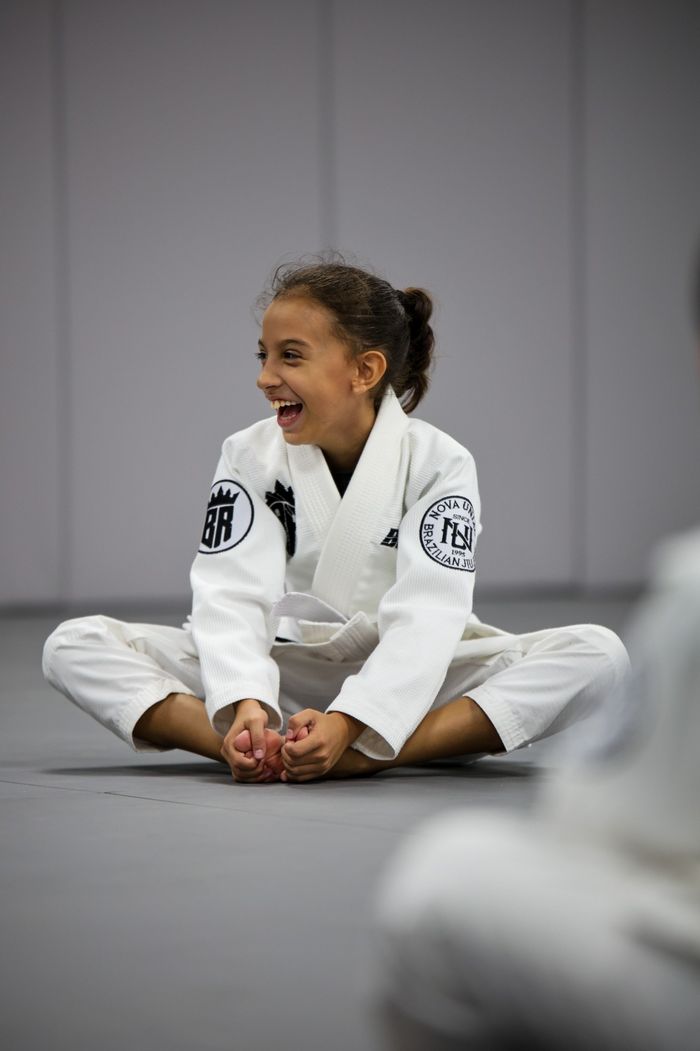
Jiu-jitsu uses body weight as resistance almost constantly — holding a position, moving a partner, escaping from underneath someone. For growing kids, this kind of functional, full-body strength work is generally considered safer and more age-appropriate than isolated weight training, and it builds strength across the whole body rather than in a single muscle group. A child who trains consistently tends to develop stronger grip strength, a more resilient core, and better overall body control — improvements that show up in everyday movement, not just on the mat.
Why the age-banded structure matters here
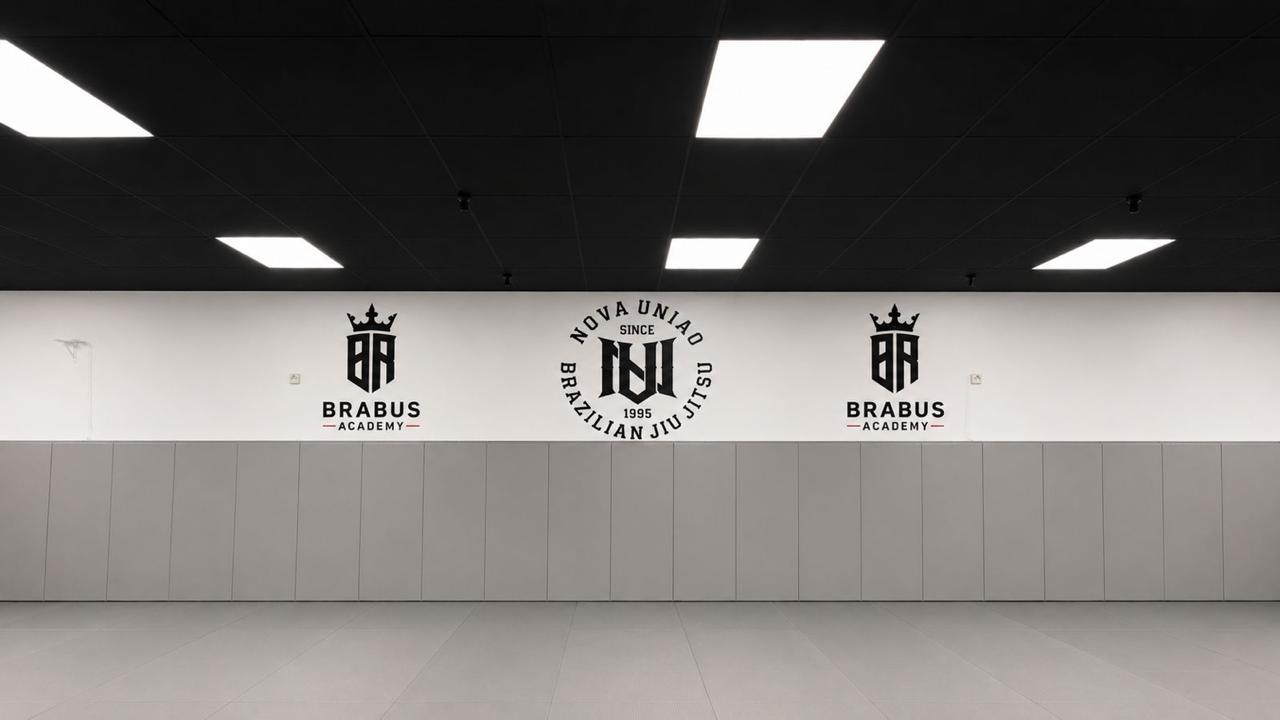
Physical development varies enormously between a six-year-old and an eleven-year-old, which is part of why Brabus structures its kids programs by age — Little Ninjas for ages 4–7 and Little Warriors for ages 8–12. Younger kids get drills built around shorter attention spans and foundational movement patterns; older kids get more demanding technical and physical work suited to their growing strength and coordination. Classes run 45 to 60 minutes, long enough to build real physical benefit without overtaxing a young body still developing its endurance.
The result is a physical activity kids tend to stick with, because it doesn't feel like a workout — it feels like solving a puzzle with your body. Explore the Kids & Teens program or book a free trial class to see it in action.
Come find out what you're made of.
No experience required. No commitment. Just step on the mat.
Start Free Trial